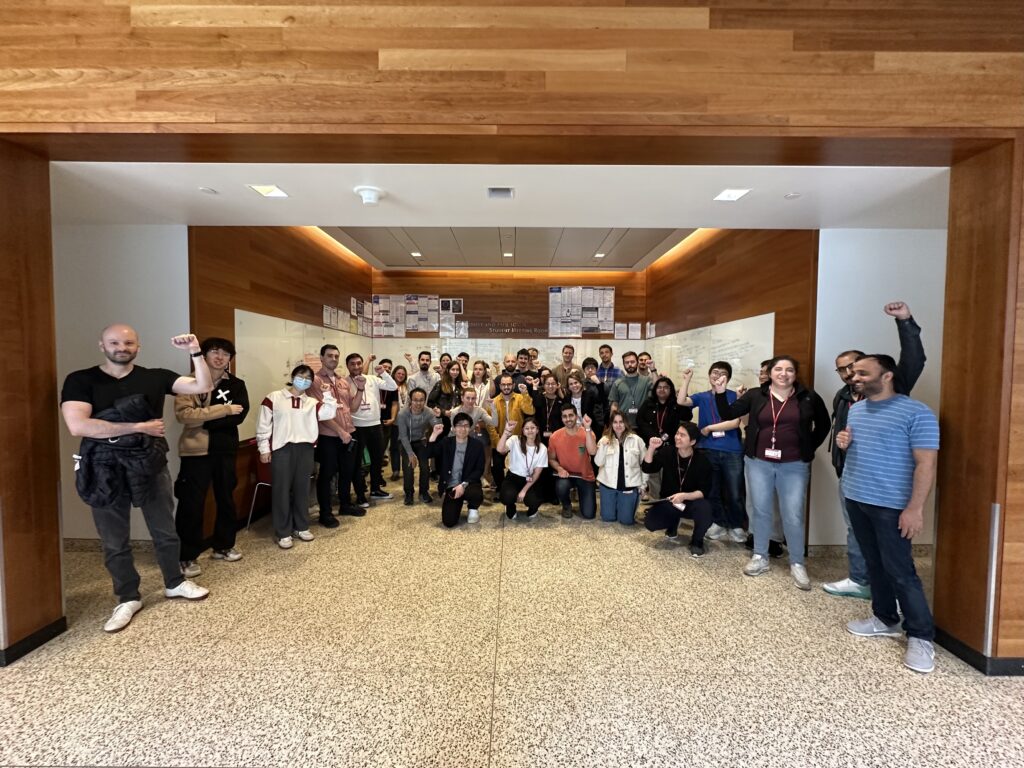
We had our biggest in-person open session yet, with postdocs coming from across campus to get a first-hand look at how WCM is responding in bargaining.
Join us at our next bargaining session tomorrow, June 10th, at 10 AM!
Last Monday, we met with WCM for our 28th bargaining session, the third in-person session. In this session, we presented WCM with an updated package proposal that directly addresses the major challenges currently facing the institution and our workforce.
WCM began the session by introducing a new proposal on layoffs. This proposal, like their proposed Force Majeure clause, is aimed at expanding their power to make unilateral decisions about our employment. The proposal would allow them to decide unilaterally whether to lay off postdocs, how much notice to provide, and which criteria to use in determining who stays and who goes. Once again, when pressed on what contingency plans they have actually made for such layoffs, WCM was unable to provide any concrete answers.
It is incredibly frustrating that WCM is raising the issue of layoffs more than a year into negotiations. We reiterated once again that under the language we have been discussing for more than a year, a postdoc can only lose their position if they are terminated for just cause or voluntarily resign. By now introducing the idea that postdocs can be laid off for economic reasons, WCM is once again moving the goalposts for reaching a fair agreement and risking major disruption to research, just months after a majority of us voted by more than 90% to authorize a strike if necessary to reach a fair contract.
“It was upsetting to see WCM propose a layoff provision after over a year of bargaining, without even removing Force Majeure. WCM must protect its researchers by withdrawing Force Majeure or it will risk major disruption.”
— Andrea Orlando, bargaining observer and Postdoctoral Associate in Medicine
WCM also said they intend to maintain their current Force Majeure proposal in addition to the Layoff proposal, which would allow them to unilaterally change the contract with minimal notice.
After asking clarifying questions about their proposal to understand WCM’s position, we took a long caucus in which we discussed numerous options for how to respond. Ultimately, we decided to make a significant move towards WCM despite the inappropriateness of their decision to propose the ability to conduct layoffs at the eleventh hour of bargaining.
After returning from our caucus, we presented an updated package counterproposal with three main components that address the potential for funding-related financial crises. These components were:
1. Ensuring that WCM remains competitive during this period
In a poll of scientists currently working in the United States that was published in March on the website of the Journal Nature, over 75% said that they are considering leaving the country for reasons that include the current instability around funding. It’s more important than ever that WCM remains competitive by continuing to provide standard-setting support to postdocs. To that end, we made clear that after more than a year of bargaining over a wide range of issues, we have no intention of agreeing to less than the rights won by our colleagues at Mount Sinai. This is especially true when it comes to protections that cost WCM nothing, like having a timely grievance process for survivors of sexual harassment, which is key for increased reporting and fostering a more equitable workplace for women and historically under-represented groups.
2. Ensuring the stability and enforceability of our workplace rights during this period
We made clear that we are continuing to reject WCM’s Force Majeure proposal. We are not willing to agree to a provision that would allow WCM to make major changes to our contract. We also stressed that we do not believe this is necessary — we are already experiencing the effects of loss of funding, and we believe we can reach an agreement on a fair process that balances the possibility of urgent financial problems beyond WCM’s control and the need for postdocs to have job stability during these difficult times.
3. Ensuring a fair process in the event of funding crises during this period
The last part of our package was a new proposal that responds to WCM’s Layoff proposal. We proposed an “Emergency Layoffs” proposal that establishes rights for postdocs in the event of a major financial crisis affecting our funding. This does not exist at Mount Sinai, where postdocs are not subject to economic layoff for any reason. We were willing to make this significant move towards WCM’s position only because of the increasing urgency of reaching a fair agreement.
Our proposal outlines the specific emergency situations where a layoff may be appropriate, establishes transitional funding to make up for loss of funding, and provides sufficient time and notice to allow for the possibility of funding being restored, and the right to support from the administration with finding a new position if necessary, among other rights and protections. Having enough time to secure alternative funding or another position is particularly important for the more than 80% of us who depend on our employment to remain within the country.
WCM requested clarification on certain points and indicated that they would follow up with a response.
We, postdoctoral scholars, organized a union to advocate for improved working conditions, job security, and fair compensation. For over a year, we have engaged in negotiations with WCM with the aim of fostering greater equity within the postdoctoral research program and ensuring that our positions are as stable and predictable as possible. This objective is more critical now than ever, and we remain committed to resisting any effort that would further undermine the stability and well-being of our diverse workforce.
Make sure to sign up for the next bargaining session on Tuesday, June 10, 2025, from 10:00 AM to 2:00 PM ET, to keep the pressure up and show WCM that we will fight together. Feel free to reach out with any thoughts or questions.
In solidarity,
Luca Posa, Postdoctoral Associate in Biochemistry
WCMPU-UAW Bargaining Committee